


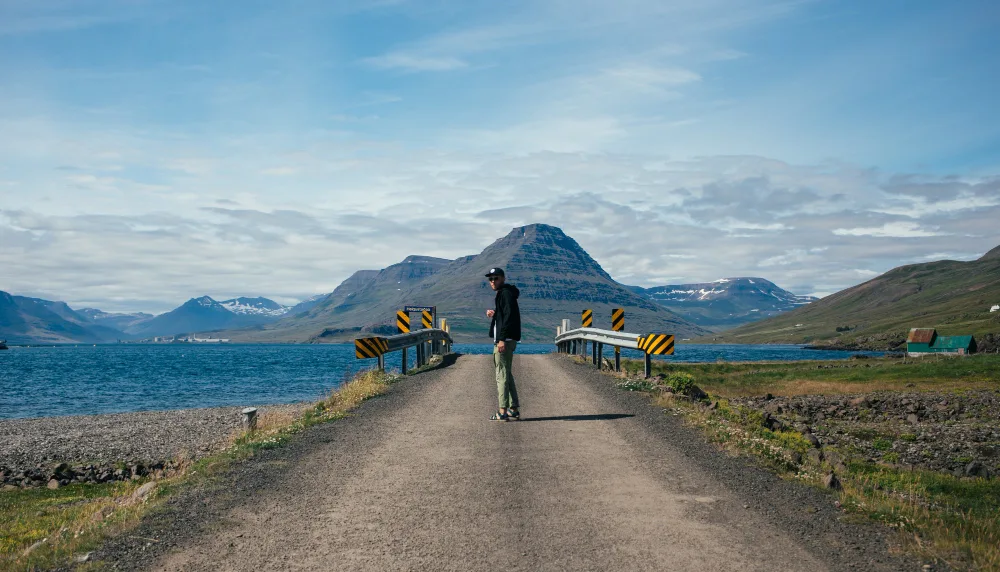
Iceland is a destination where the journey can be just as memorable as the places you set out to visit. One day might involve watching a waterfall plunge over a rocky cliff; the next could bring black-sand beaches, steaming geothermal areas or views of glaciers stretching across the horizon. Planning a trip around these landscapes takes some thought, especially when distances are longer than they appear on a map and the weather can change several times in a single day.
For travellers who want to experience these natural highlights without organising every detail themselves, BusTravel Iceland offers guided day trips and multi-day journeys from Reykjavík, along with seasonal shore excursions from ports around the country. With roots dating back to 1960, the operator brings decades of experience to exploring Iceland by road. Travelling with a guide also adds context to the scenery, helping visitors understand the country’s geology, history and local culture rather than simply stopping for photographs.
Why Is Iceland Better Explored One Region at a Time?
Iceland may look compact compared with many other countries, but its attractions are spread across a landscape shaped by volcanoes, glaciers, coastlines and geothermal activity. Trying to fit too many destinations into one day can leave little time to enjoy them.
A regional approach makes planning more manageable. The Golden Circle, for example, combines major geological and historical sights, including Þingvellir National Park, the Geysir geothermal area and Gullfoss waterfall. The South Coast offers a different experience, with dramatic waterfalls, glaciers and dark volcanic beaches. Each area has its own character, so choosing a route around a few key interests often makes for a more rewarding trip.
Guided bus tours can simplify this process by bringing several attractions together in one itinerary. Travellers can focus on the experience rather than working out driving times, parking arrangements and the best order for visiting each stop.
The Advantages of Travelling with a Local Guide
Iceland’s landscapes are impressive on their own, but knowing what created them can make a visit even more interesting. A glacier is not just a field of ice, and a geothermal spring is not simply a place where the ground steams. Both are part of the geological processes that continue to shape the island.
An experienced guide can explain these features in accessible terms, point out details visitors might otherwise miss and share information about Icelandic traditions and everyday life. This is particularly useful for first-time visitors who want to gain a broader understanding of the country in addition to seeing its famous landmarks.
Bus tours can also make logistics easier for travellers who would rather not drive abroad. Icelandic roads lead through open landscapes where conditions and visibility can vary. Having transport and an itinerary organised in advance allows visitors to concentrate on the scenery and the experience. It is still important to dress for changing conditions and follow any safety instructions given by the tour operator.
Day Trips or Multi-Day Tours: Which Is the Better Fit?
The right format depends on how much time you have and how independently you prefer to travel.
Day trips are a practical choice for visitors using Reykjavík as their base. They make it possible to explore a particular region and return to the capital without changing accommodation. This approach works well for shorter holidays or travellers who prefer to keep their plans flexible between excursions.
Multi-day tours offer more time to cover longer routes and reach attractions farther from the capital. They can be especially useful for people who want to see several regions but do not want to plan every overnight stop and driving stage themselves. A longer itinerary may include more varied landscapes and allow the journey to unfold at a less hurried pace.
Before booking, check the itinerary, total duration, departure arrangements and what is included. Some experiences are seasonal, while daylight hours and weather conditions can influence how a day unfolds. Choosing a tour that matches your available time and interests is more useful than trying to visit every well-known attraction in one trip.
What Should You Prepare for a Bus Tour in Iceland?
Even when transport and guiding are arranged, a little preparation makes a difference. Weather in Iceland can shift quickly, so layered clothing is often more practical than relying on one heavy jacket. A waterproof outer layer, comfortable walking shoes and a hat can be useful throughout the year.
It is also worth checking how much walking is involved at each stop. Some attractions are close to the bus, while others require a walk across uneven ground or exposed terrain. Travellers should read the tour description carefully, particularly when travelling with children or anyone who may need additional assistance.
Finally, leave room for the unexpected. A memorable trip does not depend on ticking every attraction off a list. Sometimes the best part of an Icelandic journey is having enough time to appreciate a waterfall, watch clouds move over a mountain or see how the light transforms a volcanic landscape.
FAQ: Exploring Iceland by Bus
Can you visit Iceland’s main attractions without renting a car?
Yes. Guided bus tours connect Reykjavík with popular destinations such as the Golden Circle and the South Coast. They can be a convenient alternative for visitors who prefer not to drive or plan every part of their route independently.
Are guided bus tours suitable for a first visit to Iceland?
They can be particularly useful for first-time visitors because transport, the itinerary and guiding are arranged in advance. A guide can also explain the landscape and local history, adding context to the places along the route.
Should I choose a day trip or a multi-day tour?
A day trip works well if you are staying in Reykjavík and want to explore one region at a time. A multi-day tour may suit travellers who have more time and want to cover greater distances without organising each stage themselves.
What should I wear on an Iceland bus tour?
Dress in layers and bring protection against wind and rain, even if the weather looks favourable at departure. Comfortable footwear is important because many tours include walks at natural attractions, where paths may be uneven or exposed to the elements.



Leave a Reply