


Rome is usually associated with ancient ruins, lively squares and long afternoons spent between museums and cafés. Yet beyond the historic centre lies another side of the Italian capital: wooded hills, volcanic ridges, limestone summits and quiet trails where the noise of the city quickly disappears.
Reaching the first trail is often the least enjoyable part of an outdoor trip, especially when travelling with a heavy backpack or arriving on an early flight. Arranging a private ride through Taxi Moments can make the journey from a Rome airport, railway station or hotel more convenient before you continue towards the surrounding parks.
Some routes begin within the city boundaries, while others require a day trip into the Lazio countryside. Together, they offer options for casual walkers, experienced hikers and travellers who simply want to combine Roman history with a few hours outdoors.
“Sometimes the best view of Rome is the one you discover after leaving its busiest streets behind.”
The Best Hiking Routes Near Rome at a Glance
The times and difficulty levels below are approximate. They depend on the exact route, starting point, weather and number of stops.
| Destination | Difficulty | Suggested time | Best for |
|---|---|---|---|
| Appian Way and Caffarella Valley | Easy | 2–5 hours | History, cycling and relaxed walking |
| Monte Catillo and Tivoli | Moderate | 4–6 hours | Panoramic views and a town-and-trail day |
| Monte Gennaro | Moderate to challenging | 6–8 hours | A full mountain experience |
| Monte Tuscolo | Easy to moderate | 3–5 hours | Volcanic landscapes and ancient ruins |
| Monte Soratte | Moderate | 4–6 hours | Limestone paths, forests and hermitages |
1. Appian Way and Caffarella Valley: The Easiest Escape
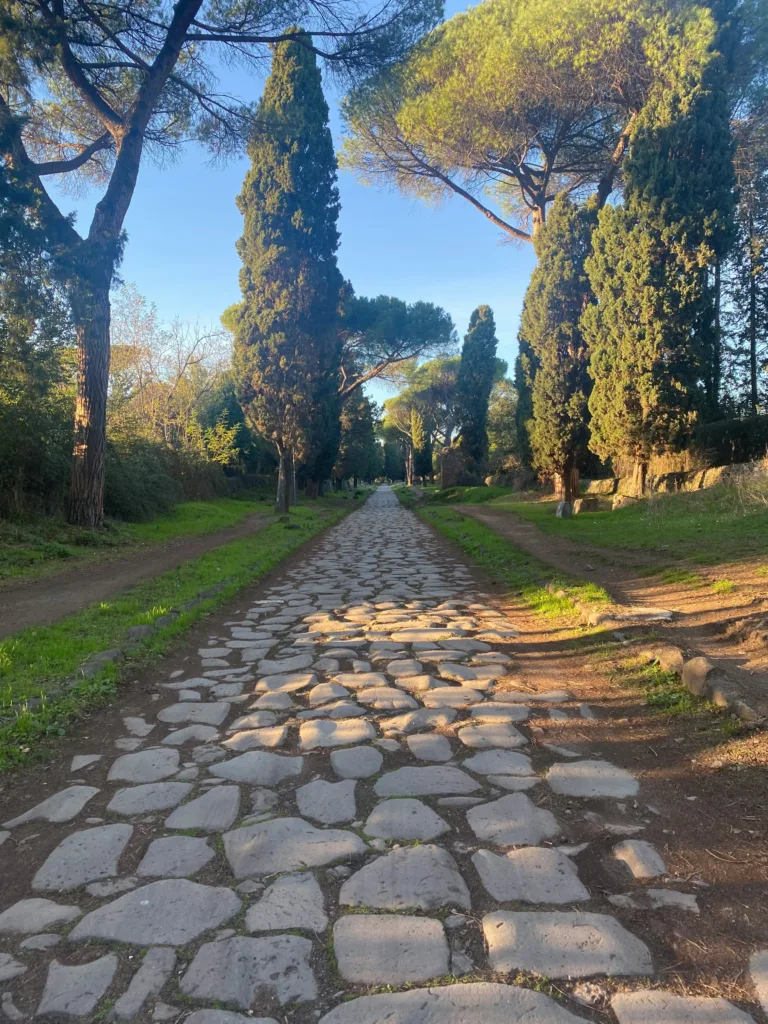
You do not have to travel far to find a satisfying hike near Rome. The Appian Way Regional Park begins close to the urban centre and includes stretches of the ancient Roman road, the Caffarella Valley, archaeological zones and the Park of the Aqueducts.
The protected area covers approximately 4,580 hectares, while the Appian Way runs through it for more than 16 kilometres. Visitors can explore the landscape on foot or by bicycle, passing old farm buildings, Roman remains, meadows and sections of historic paving.
A good introductory itinerary begins in the Caffarella Valley and continues towards the Appian Way. Instead of concentrating only on monuments, allow time to follow the smaller paths through the open countryside. The contrast is striking: one moment you are surrounded by apartment blocks and traffic, and a short while later you are walking past grazing land and ancient ruins.
This option is ideal when:
- You have only half a day available.
- You prefer a mostly gentle route.
- You want to combine hiking and cycling.
- You do not want to arrange a long journey outside Rome.
- You are travelling with less experienced walkers.
Weekends and holidays can be particularly pleasant for walking and cycling because traffic restrictions apply to significant parts of the Appian Way. Current access rules should still be checked before departure.
2. Monte Catillo: A Panoramic Hike Above Tivoli
Tivoli is known for its villas, gardens and waterfalls, but the nearby Monte Catillo Nature Reserve gives travellers another reason to spend a full day here.
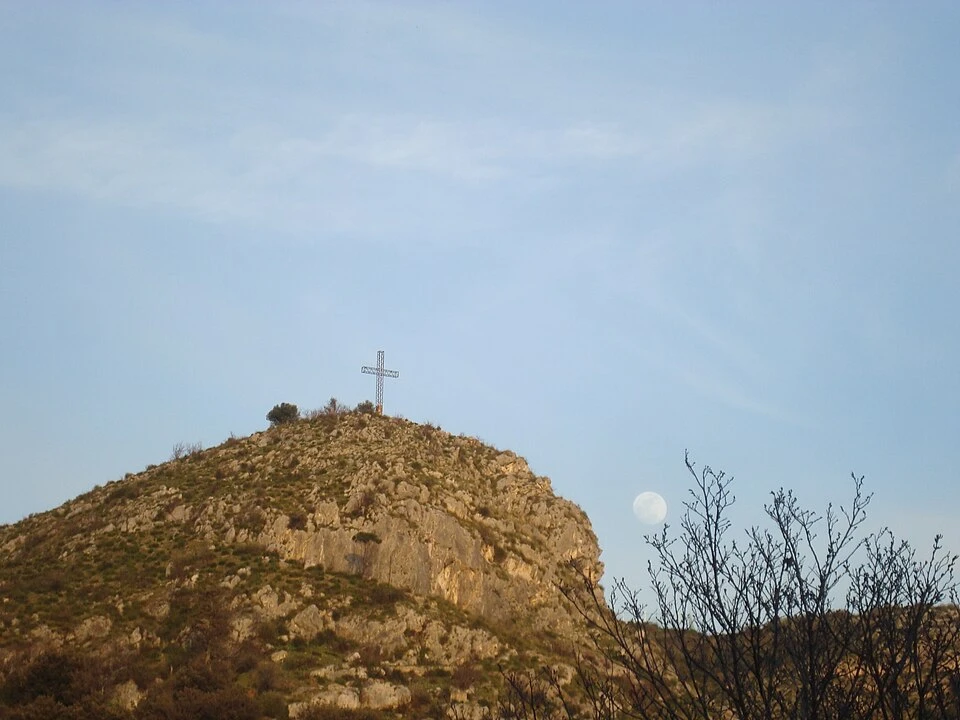
The reserve occupies a limestone hill system between the southern Monti Lucretili and the Aniene Valley. Its highest point is only slightly above 600 metres, yet its position at the edge of the Roman plain creates surprisingly wide views. Forests, open grassland, rocky slopes and Mediterranean vegetation make the scenery change several times during a single walk.
Several circular routes begin near Tivoli. One established loop through the reserve is approximately nine kilometres long with about 400 metres of ascent, making it a realistic choice for hikers with a reasonable fitness level. Proper walking shoes are advisable because some sections are rocky or uneven.
Monte Catillo works especially well as part of a combined itinerary:
- Start hiking early, before the strongest afternoon heat.
- Follow a loop through the reserve and stop at one of the panoramic areas.
- Return to Tivoli for lunch.
- Spend the remaining afternoon exploring the historic centre or one of its famous villas.
Although Tivoli can be reached from Rome by public transport, the trail entrance may not be located beside your arrival point. Check the route from the station to the chosen trailhead instead of assuming the walk begins in the centre.
3. Monte Gennaro: A Real Mountain Day
Travellers searching for more demanding hiking near Rome should look towards the Monti Lucretili Regional Park. This is one of the most extensive trail areas within reach of the capital, with 60 official paths covering roughly 240 kilometres.
The network crosses woodland, limestone terrain, open plateaus and higher mountain slopes. Signposts at trail junctions indicate nearby destinations and estimated walking times, although carrying an offline map remains sensible.
Monte Gennaro is one of the best-known objectives in the park. Compared with the Appian Way or Monte Catillo, this feels much more like a traditional mountain outing. Routes can involve sustained climbing, exposed sections and uneven limestone underfoot.
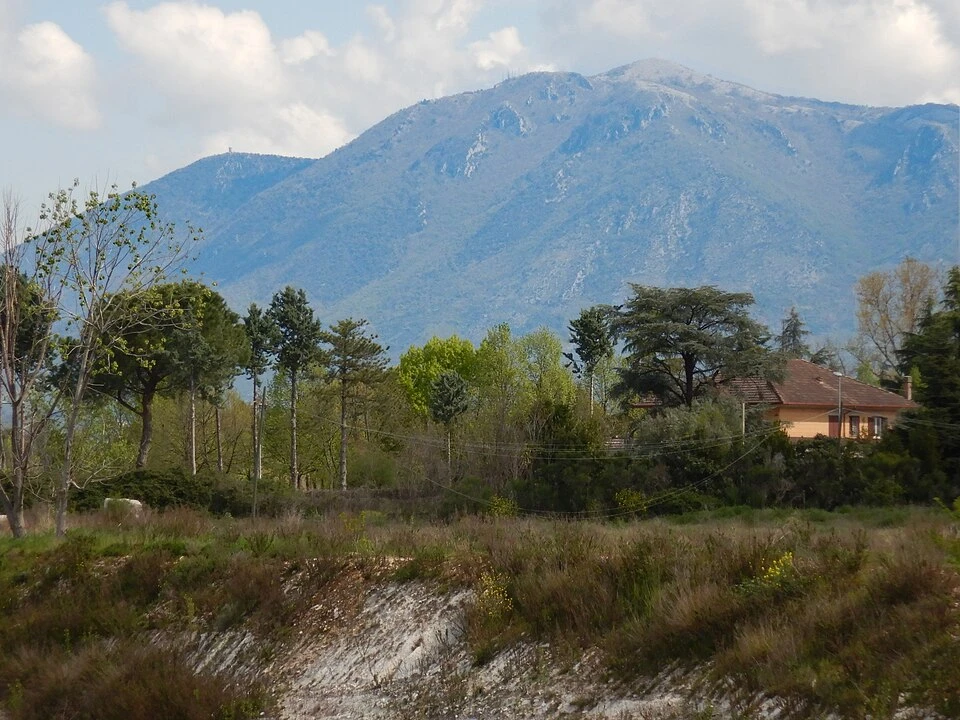
Plan it as a full-day hike rather than something to squeeze between sightseeing appointments. Start early and leave extra time for navigation, breaks and changing conditions.
Bring at least:
- Hiking shoes or boots with reliable grip
- Enough water for the complete route
- Food and an additional snack
- A charged phone and offline trail map
- Sun protection and a hat
- A light waterproof or windproof layer
Public transport can be less straightforward here than for Tivoli or the Appian Way. For a group of hikers, arranging direct transport to an agreed trailhead may save time and make the return journey easier.
4. Monte Tuscolo: Volcanic Hills and Ancient History
The Castelli Romani area is one of the most varied destinations for a day trip from Rome. Its landscape was shaped by ancient volcanic activity and now contains forested ridges, crater lakes, hill towns, vineyards and numerous walking routes.
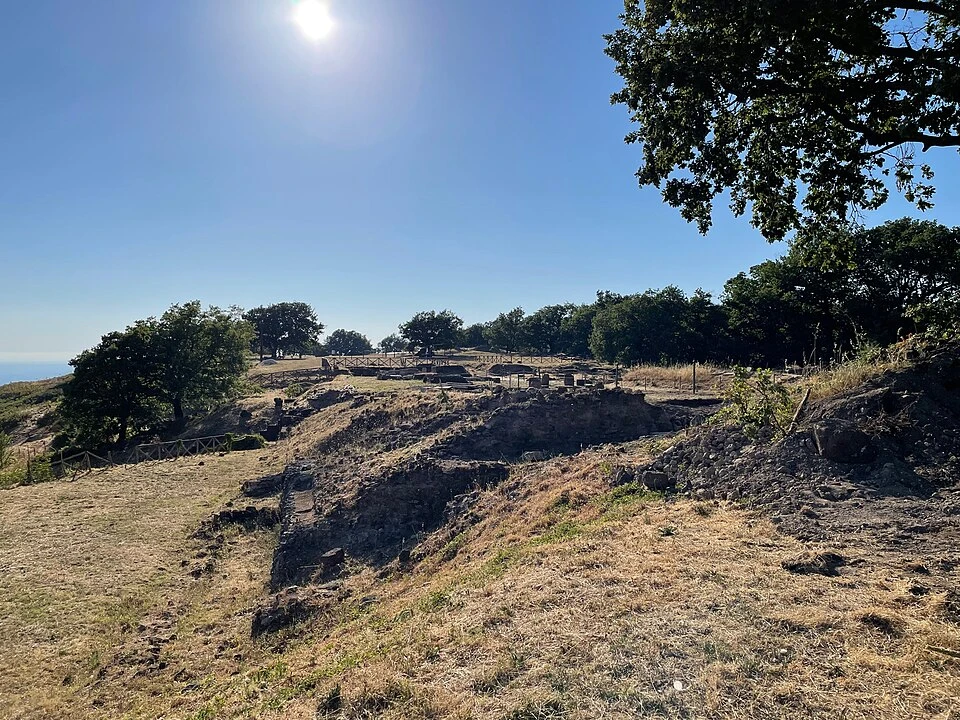
Monte Tuscolo is a convenient choice for travellers who want a moderately active day rather than a difficult summit expedition. Trails around the archaeological area combine open viewpoints with woodland and traces of the ancient settlement of Tusculum.
The wider park also contains a long walking and cycling route along the outer volcanic ridge. The complete route stretches for more than 42 kilometres between the Frascati and Albano Laziale areas, but visitors do not need to attempt the entire distance. Shorter out-and-back walks around Tuscolo are more suitable for a relaxed day trip.
This area is particularly appealing in spring and autumn, when temperatures are usually more comfortable for walking. On clear days, the higher ground offers broad views over the surrounding hills and towards the Roman plain.
After the hike, consider stopping in Frascati or another nearby town rather than immediately returning to Rome. A simple meal and a walk through the old streets create a natural end to the day.
5. Monte Soratte: A Limestone Island North of Rome
Monte Soratte rises alone above the Tiber Valley, making it easy to recognise from a distance. Although its elevation is below 700 metres, its isolated position provides extensive views from the upper slopes.
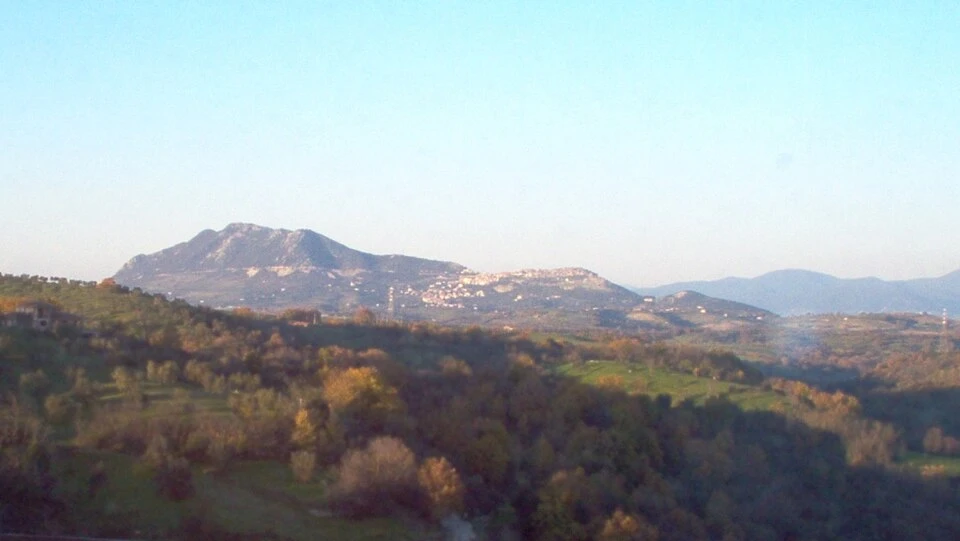
The regional reserve contains a network of marked walking routes, including the Sentiero degli Eremi, Alta Via, Strada Militare and several shorter connecting paths. This makes it possible to build anything from a short walk to a longer circular itinerary.
The landscape includes limestone formations, woodland, caves and historic religious sites. Some established circuits combine the hermitage trail with paths passing geological and natural features. A full loop can take around six hours, depending on the route and stops.
Do not enter caves, shafts or closed underground areas without an authorised guide. Some natural cavities are suitable only for trained speleologists, even when their entrances appear accessible.
Monte Soratte is a good choice for travellers who have already explored the more famous destinations east and south of Rome. It feels peaceful and geographically distinct, but reaching the preferred trailhead usually requires more planning than visiting an urban park.
How to Choose the Right Hike
The best route depends on your available time and experience.
Choose the Appian Way and Caffarella Valley when you want an easy walk without leaving Rome. It is also the most convenient option for cycling.
Choose Monte Catillo for a balanced day that combines a moderate trail with Tivoli’s historic attractions.
Choose Monte Gennaro when hiking is the main purpose of your day and you are comfortable with sustained climbs and mountain terrain.
Choose Monte Tuscolo for a flexible outing with volcanic scenery, archaeological interest and the option to visit one of the Castelli Romani towns.
Choose Monte Soratte for a quieter limestone landscape with woodland paths and historic hermitages.
Practical Tips for Hiking Around Rome
Start Earlier Than You Think
An early start gives you more time to deal with transport, navigation and unexpected delays. It is particularly important during warmer months, when open sections of a trail may offer little shade.
Download the Route in Advance
Mobile coverage can weaken in valleys and forested areas. Save the route, parking point and return location for offline use before leaving your accommodation.
Check Official Park Notices
Paths may occasionally be affected by maintenance, fire-prevention measures, storms or local events. Check the relevant park authority’s website shortly before the hike.
Carry More Water Than You Expect to Need
Do not rely on fountains or seasonal springs. Even a moderate route can feel demanding in the Lazio sun, particularly when the trail includes exposed limestone.
Avoid Overloading the Day
Combining a hike, several major attractions and a long restaurant stop often creates an unnecessarily rushed itinerary. Pick one main outdoor objective and treat anything else as a bonus.
Confirm Your Return Plan
For routes outside central Rome, check the final public transport departure or arrange a specific collection point in advance. A trailhead that is easy to reach in the morning may be much less convenient in the evening.
A Different Way to Experience Rome
A hiking day does not replace Rome’s monuments—it adds context to them. From the Appian Way, you begin to understand how the ancient city connected with the countryside. From Monte Catillo or Monte Tuscolo, the vast shape of the Roman plain becomes visible. In the Monti Lucretili, the crowded capital can feel surprisingly distant.
Whether you choose a two-hour walk through the Caffarella Valley or a full mountain day on Monte Gennaro, hiking near Rome offers something the historic centre cannot: space, silence and the freedom to discover Lazio at your own pace.




Leave a Reply