


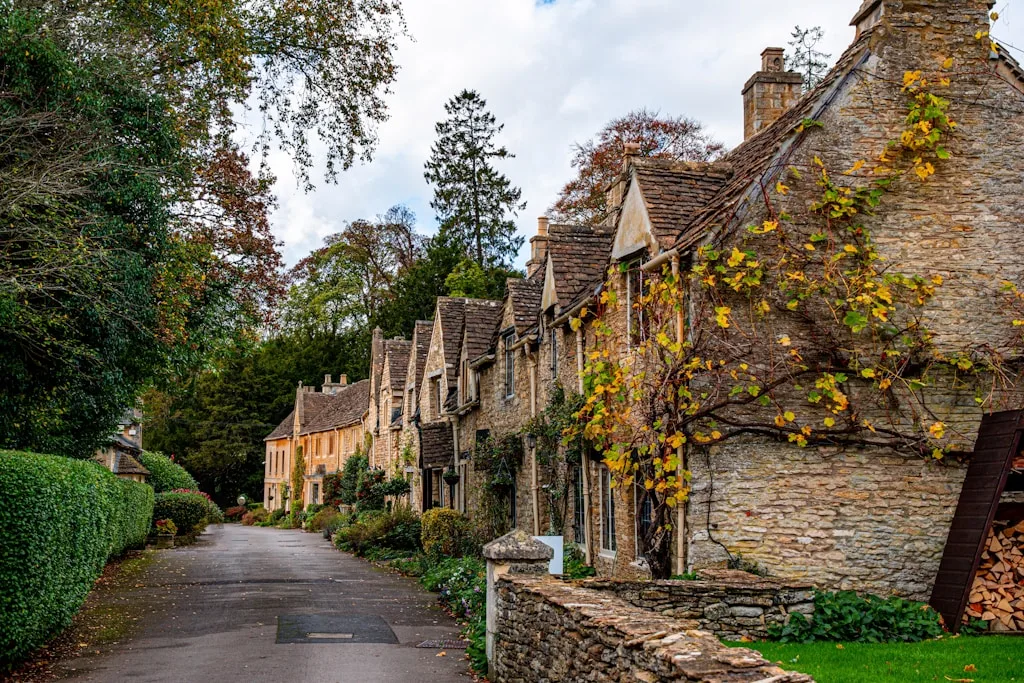
Some destinations reward speed: early starts, tightly planned routes and a long list of sights to tick off. The Cotswolds reward almost the opposite. This is a region where the pleasure lies in unhurried walks, small villages, long lunches, quiet gardens and the feeling that there is no urgent reason to be anywhere else.
- A landscape that makes you slow down
- What to do without overplanning the day
- Food should be part of the journey
- Quiet is a form of luxury
- When should you visit?
- The Cotswolds are better when you leave something for next time
Its appeal comes not only from postcard scenery, but from the way landscape, food and daily life remain closely connected.
A landscape that makes you slow down
The Cotswolds are known for rolling countryside, dry-stone walls, wooded valleys and villages built from warm, honey-coloured stone. Places such as Bibury, Broadway, Stow-on-the-Wold and Bourton-on-the-Water are famous for good reason, but the region becomes more rewarding when you stop treating those names as a checklist. A short walk, a farm shop or a quiet pub can be just as memorable as the headline attractions.
Stroud and the surrounding Golden Valley offer a slightly different side of the Cotswolds. Countryside walks sit alongside local food, markets and independent shops. Nearby Minchinhampton Common adds open views. This is also where Burleigh Court Cotswolds fits naturally into a slower itinerary: a small country-house hotel overlooking the valley, built around calm, character and a genuine sense of place rather than the scale of a conventional resort.
What to do without overplanning the day
A good Cotswolds itinerary does not need to be packed. Leaving gaps usually makes the trip better. One day might begin with a countryside walk and end with afternoon tea; another could revolve around a market town, a garden or a historic house. If the weather turns, a cosy café or long lunch can become the highlight.
A relaxed stay could include:
- walking part of the Cotswold Way or a shorter local trail;
- visiting one or two villages instead of racing through five;
- exploring Stroud’s independent shops and food scene;
- spending time at Minchinhampton Common;
- visiting a garden, manor house or small museum;
- stopping at a pub or tearoom without planning the whole day around it.
The region is at its best when you notice details rather than simply collect photographs.
Food should be part of the journey
Seasonal produce, local suppliers and kitchen gardens give visitors another way to experience the region. Afternoon tea works especially well here because it naturally creates a pause in the day: tea, sandwiches, scones and cakes enjoyed without rushing towards the next attraction.
Dinner can be approached in the same way. Instead of squeezing it in after sightseeing, it can become one of the main experiences of the day. For couples, families or small groups marking an occasion, private dining in the Cotswolds can add a more personal dimension, particularly when the menu focuses on seasonal ingredients and the setting reflects the surrounding countryside. Burleigh Court’s restaurant follows a local, seasonal approach and also serves afternoon tea, making food part of the stay rather than simply an extra service.
Quiet is a form of luxury
It is easy to create distance from everyday noise. You can spend a morning walking, read in a garden, take a long lunch and still feel that the day has been full. The atmosphere of the region is part of the experience.
That is also why spa retreats in the Cotswolds feel so well suited to the area. Wellness here does not have to mean a large complex or a rigid programme. A sauna, hot tub, cold plunge, massage or simply an hour in a quiet garden can complement a day outdoors. At Burleigh Court, the wellness area follows this smaller, nature-led model, with a valley-view sauna, hot tub and plunge pool within the grounds.
When should you visit?
Spring is ideal for green landscapes, gardens and longer walks. Summer brings outdoor dining and long evenings, although the most famous villages can be busy. Autumn adds warmer colours and a calmer rhythm, while winter suits travellers who prefer fireside evenings, country pubs and a more intimate atmosphere.
Arriving midweek, choosing smaller villages and starting walks earlier can mean less traffic and fewer crowds.
The Cotswolds are better when you leave something for next time
Trying to see every celebrated village in one visit usually means spending too much time in the car. A better approach is to choose one part of the region, stay nearby and explore it properly. Walk when the weather is good, linger over meals, visit the places that genuinely interest you and allow the itinerary to change.
The Cotswolds do not need spectacle to impress. Their charm is quieter: old stone houses, green valleys, local food, small roads and moments when nothing dramatic is happening. That is precisely why the region works so well for slow travel. The less you try to force into the trip, the more likely you are to remember it.


Leave a Reply